welcome to scentspiracy™
Professional perfumery materials and bespoke fragrance development.
Scentspiracy is Fulvio Ciccolo’s independent perfumery laboratory in Sicily, supplying selected ingredients and developing fragrances for perfumers and independent brands.
-

Natural Ingredients
-

Synthetic Ingredients
-

Fragrance Bases
-

solvents & carriers
-

Botanical Hydrosols

Premium Natural Ingredient for Perfumery
Jasmine Grandiflorum Absolute (CAS 8022-96-6 / 84776-64-7) — extracted from the flowers of Jasminum officinalevar. grandiflorum — is one of perfumery’s most iconic natural absolutes. Produced through solvent extraction, it yields a dark amber, intensely floral liquid of remarkable depth and diffusion. Its profile combines creamy, honeyed, and sensual white floral facets with green, fruity, and subtly animalic undertones.
Renowned for its elegance and fixative power, Jasmine Grandiflorum Absolute forms the heart of countless fine fragrances, from florals to orientals and chypres. Its composition, rich in benzyl acetate, indole, and jasmone derivatives, provides both natural opulence and long-lasting radiance. Still cultivated in Egypt, India, and Grasse, this material remains an indispensable benchmark for authentic floral creation in high perfumery.
Natural Herbal Ingredient for Perfumery
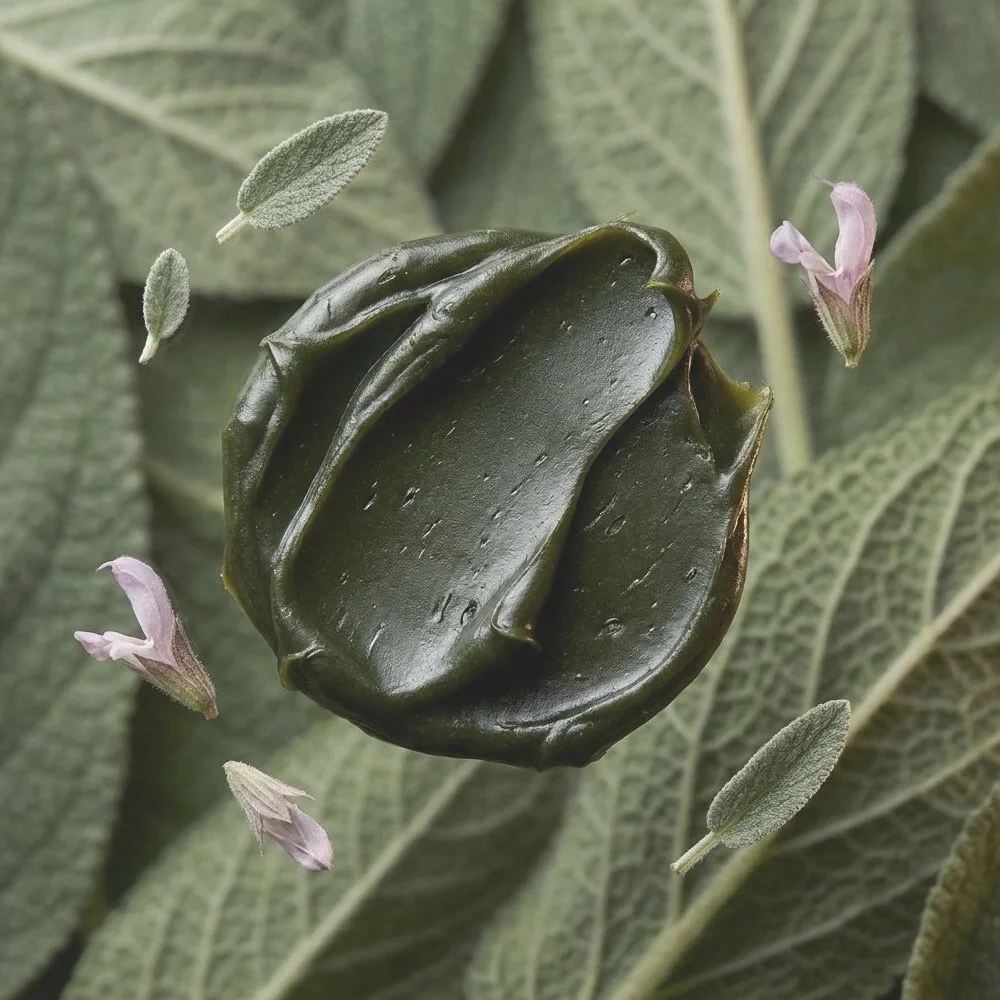
Clary Sage Absolute (8022-75-1) is a natural absolute obtained by solvent extraction of the flowering tops and stems of Salvia sclarea L.: the concrete is purified in ethanol to give the absolute. It is not the essential oil, which is steam-distilled. It is a dark green material with a sweet-herbaceous odor, cut hay and tea nuances, a lavender-floral facet and an ambery, honey-tobacco dry-down.
It is soluble in ethanol and insoluble in water. A classic component of chypre, fougère and ambery compositions, it bridges lavender tops with coumarinic and woody bases and acts as a fixative. Its dark green color can tint pale bases and finished products: use it sparingly.
Natural Gourmand Ingredient for Perfumery
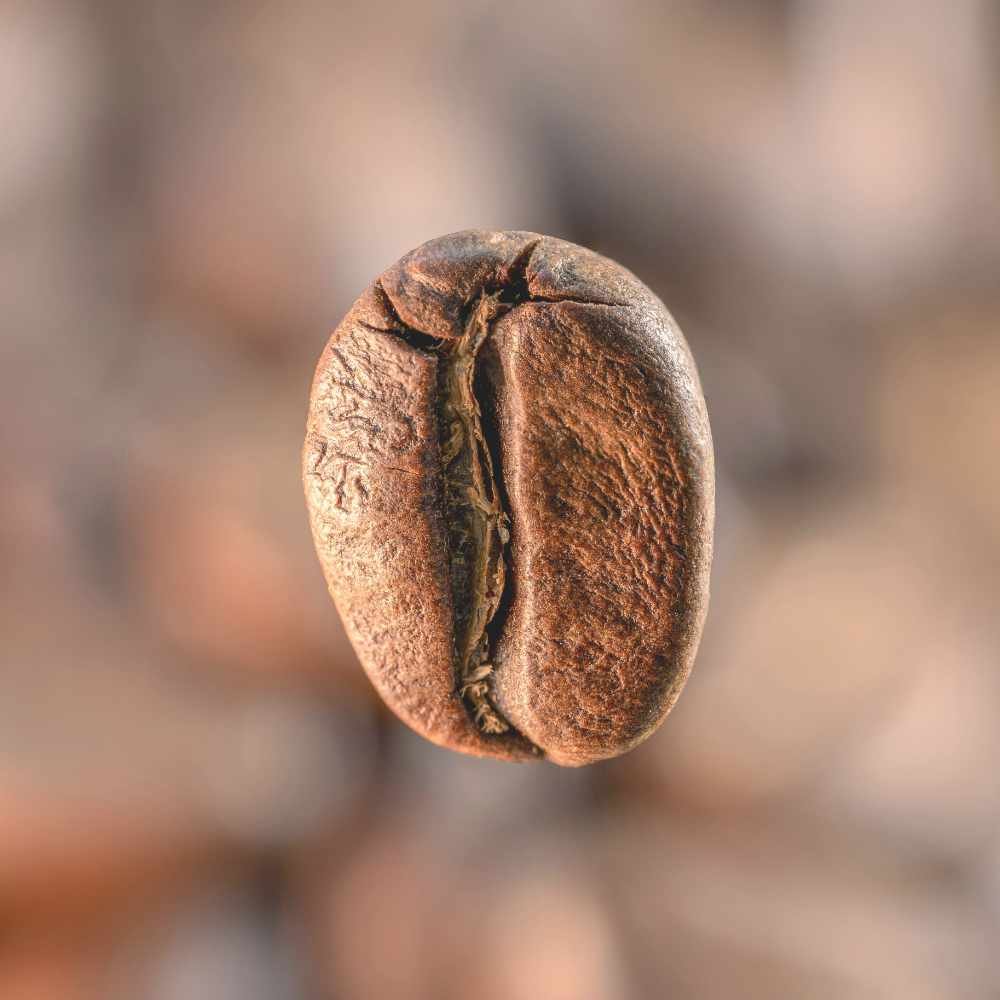
Coffee CO2 Organic Total is a total CO2 extract of roasted Coffea arabica beans. It is not an essential oil: it is a pourable, coffee-brown oily extract with a small aromatic fraction in a predominantly fatty matrix. The odor is strong black coffee and roasted beans, smoky, with vanilla-, cinnamon- and tobacco-like nuances in the drydown.
It is soluble in oil and not soluble in alcohol, so it suits oil-based perfumes, soaps and emulsions, not clear ethanol-based perfumes. It is used in gourmand, tobacco and woody-amber compositions. Its color can tint pale bases.

Natural Balsamic Ingredient for Perfumery
Myrrh Resinoide DEP by IFF is a resinoid of Commiphora myrrha resin, obtained by ethyl alcohol extraction followed by molecular distillation. It is not myrrh essential oil: it contains both the volatile fraction and the non-volatile resinous matter, and comes as a dark reddish-brown, viscous, semi-solid mass. The odor is warm and balsamic, with amber, licorice and spicy facets and a slightly medicinal top.
It is soluble in ethanol (90% and above), dipropylene glycol and benzyl benzoate, and may turn slightly hazy in 80–85% alcohol. It is used in ambery, chypre, woody-balsamic and heavy floral compositions. Its color can tint pale bases.
Premium Natural Ingredient for Perfumery
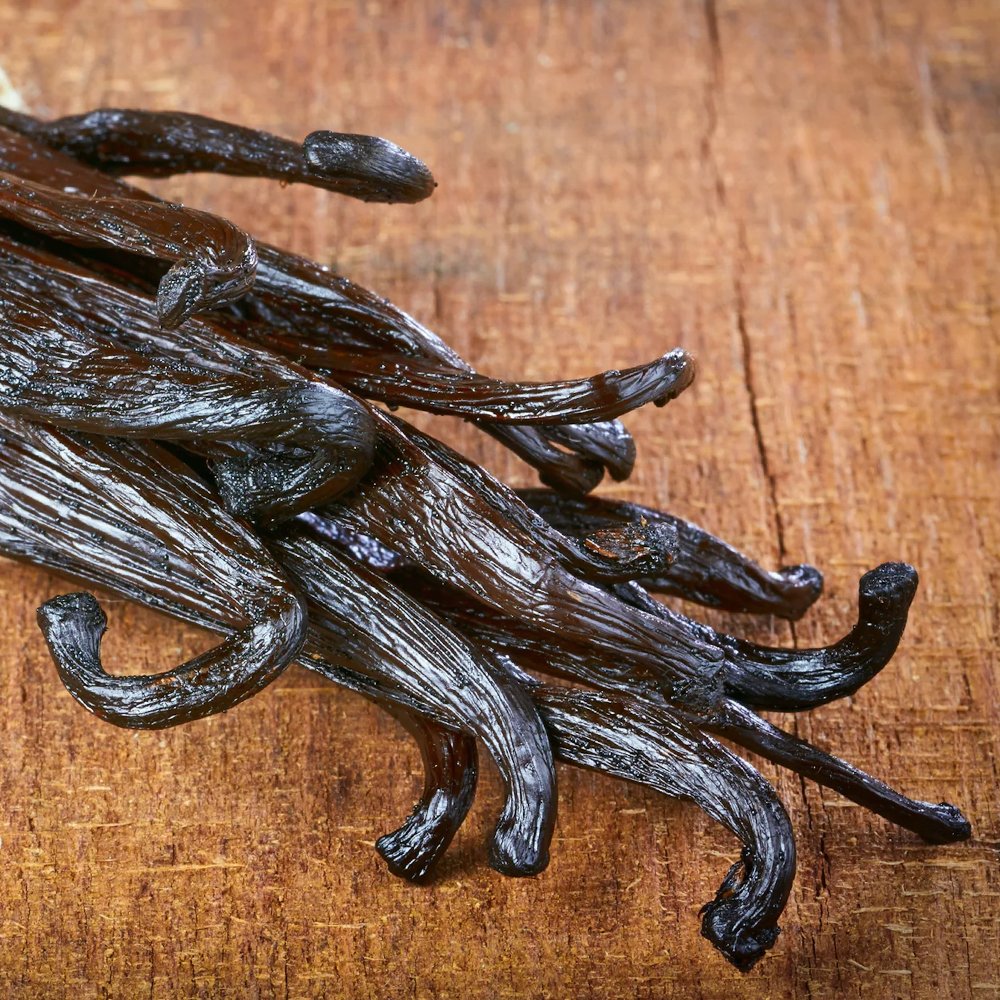
Vanilla Pompona Tincture 10% in ETOH is a natural, food-grade extract obtained from Vanilla pompona pods, diluted in dipropylene glycol for perfumery and flavoring applications. Sourced from Peru, this tincture offers a sweet, gourmand profile with vanilla, phenolic, and warm bean-like notes.
It functions as a base note and fixative in fragrances, while also serving culinary use due to its food-grade classification.
Synthetic Earthy Ingredient for Perfumery
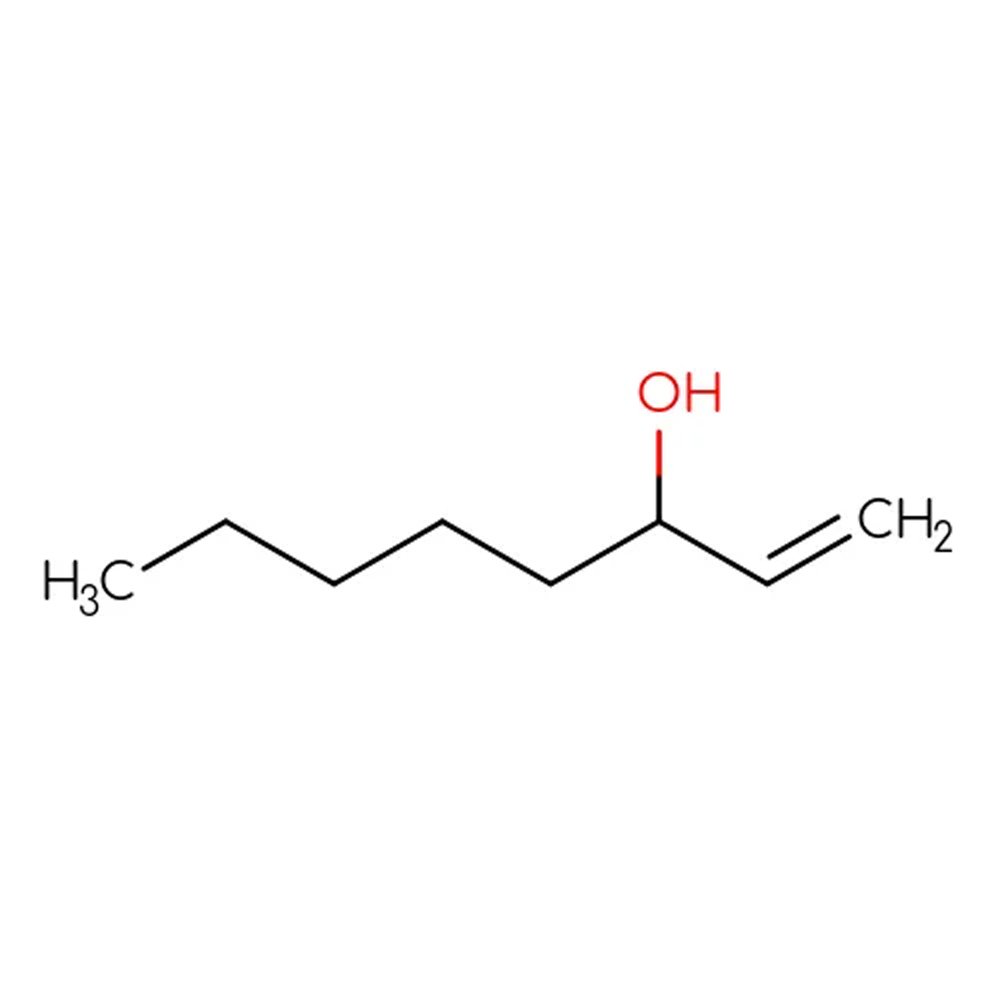
1-Octen-3-ol (Mushroom Alcohol, Octenol, CAS 3391-86-4) is a synthetic unsaturated C8 alcohol, the same molecule that occurs naturally in mushrooms. It is a colorless to pale yellow liquid with a fresh-cut mushroom, earthy and green odor, with metallic and slightly fatty facets.
Its odor threshold is very low (about 0.005 ppm), so it is used in traces: overdosed, it easily dominates a formula. It works in the top and heart as a modifier, not as a fixative. It is used in chypre, fougère, green florals and mossy or forest-type accords, including violet-leaf themes.

Synthetic Amber Ingredient for Perfumery
Ambrox® Super (Ambroxide, CAS 6790-58-5) is a synthetic amber aroma chemical by Firmenich, produced through a fermentation-based process (white biotechnology). It is not natural ambergris and contains no whale-derived material. It has a dry ambery odor with woody, musky and mineral facets and lasts about one month on a smelling strip.
It is a white crystalline solid (melting point 70–77 °C), soluble in alcohol and common perfumery solvents. It is used as a base note and fixative in amber, woody and marine accords, and in functional products such as shampoos, shower gels and fabric softeners.

Synthetic Ingredient for Perfumery
Benzyl Salicylate, a key ingredient in fragrances, uniquely blends balsamic, floral notes with a tropical sunscreen aroma. Ideal as a floral background enhancer, it exudes a round, coconut-like scent, perfect for creating mono-frangipane and trifle floral compositions.

Premium synthetic ingredient for perfumery
Safraleine® (CAS 54440-17-4) is a proprietary synthetic indenone derivative developed by Givaudan, known for its warm, spicy-leathery and saffron-like character. Chemically defined as 2,3,3-Trimethyl-2H-inden-1-one, this material bridges spicy, floral, and leathery accords with exceptional radiance and persistence.
It is a high-impact molecule requiring low dosage (typically below 1%), prized for its velvety texture, tobacco and rose-ketone facets, and long-lasting warmth that extends through the heart and base of a fragrance.
Used across leather, oriental, and floral compositions, Safraleine® provides modern perfumery with a stable, elegant, and cost-effective alternative to traditional saffron and birch tar materials.
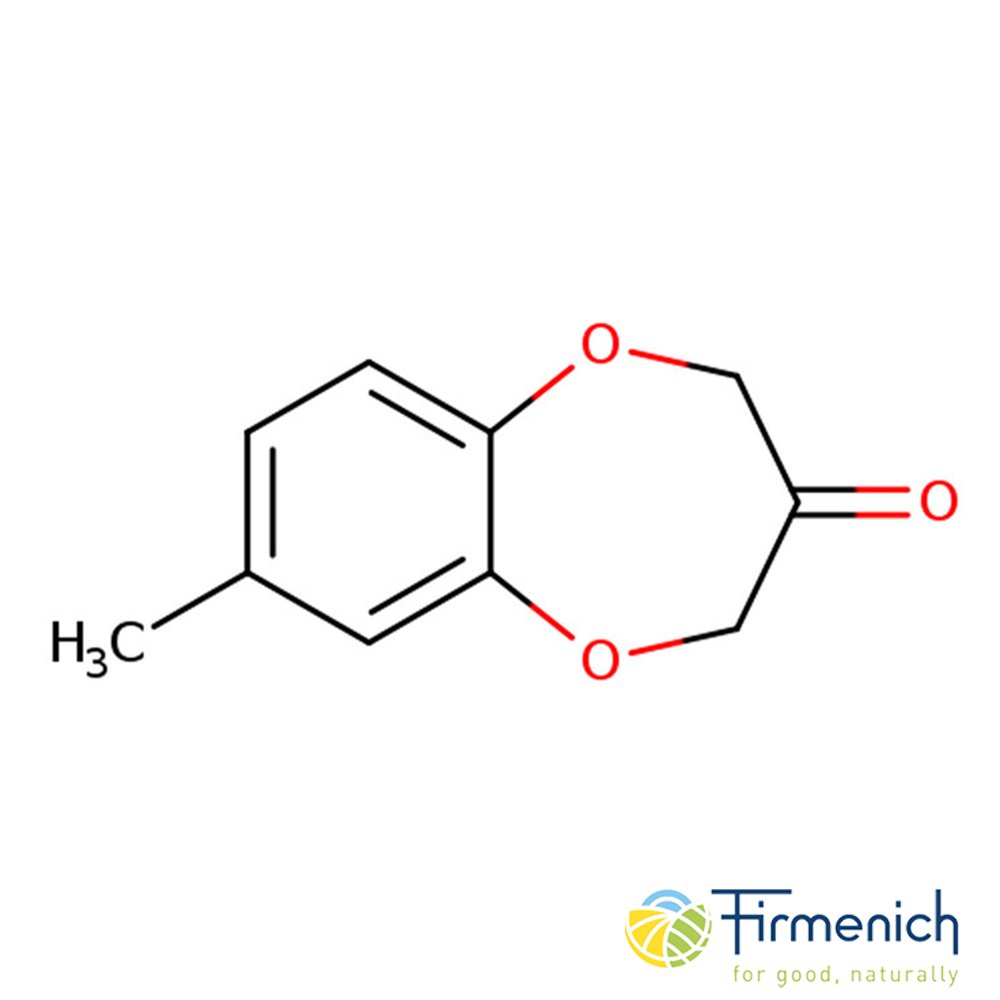
Synthetic Marine Ingredient for Perfumery
Calone® (Watermelon Ketone, CAS 28940-11-6) is a synthetic marine aroma chemical by Firmenich, a benzodioxepinone produced by chemical synthesis. It is not a natural marine extract. It has a fresh, ozonic marine odor with watermelon, green and oyster-like nuances.
Its odor strength is very high, and it can be difficult to balance in a composition. It is a crystalline solid that melts at 37.9 °C and is insoluble in water. Calone is used in marine and aquatic compositions and in lily-of-the-valley and other floral accords, in the top and heart of the formula.
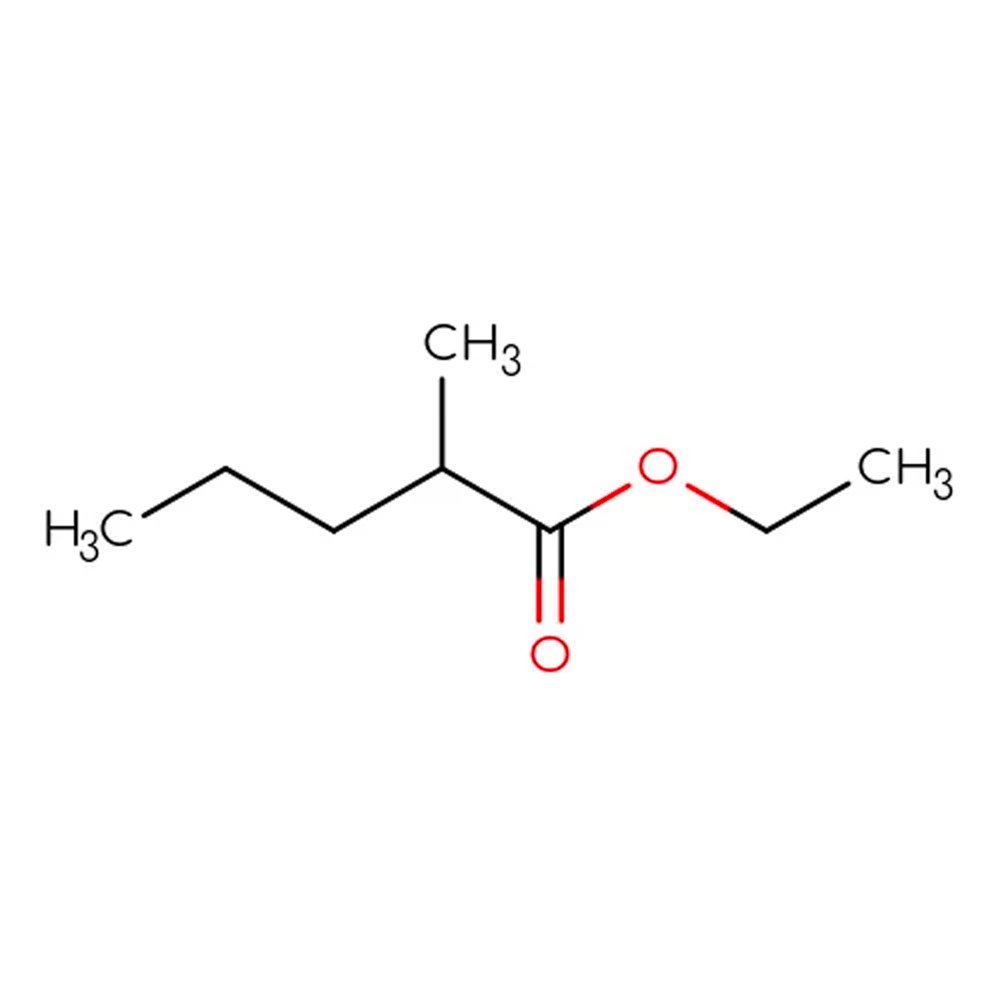
Synthetic Fruity Ingredient for Perfumery
Manzanate (Ethyl 2-Methylpentanoate, CAS 39255-32-8) is a synthetic fruity ester of low molecular weight. It is a colorless to pale yellow liquid with a crisp green apple odor with pineapple and cider nuances, fresh and juicy.
It is a volatile top note of medium strength, with good bloom in rinse-off products such as shampoos and liquid soaps. It is used as a top-note modifier in fruity, floral, green and citrus compositions, including apple, pear, melon and muguet accords, and to bridge citrus and floral elements.
Latest Blog
Methyl, hexyl, benzyl and isoamyl salicylate share the same chemistry but play different roles in a formula. Part 2 of our series profiles each one: odor, technical data, applications and regulatory status.

Salicylates are esters of salicylic acid used across fougère, floral and functional fragrance. Part 1 of our series covers their history, shared chemistry, and how molecular weight affects volatility and fixation.

We partner with Chematek S.p.A. to introduce Timberlove®: a 98%+ pure, bio-based Ambroxide synthesized via proprietary reduction. Industrial-grade consistency and sustainability are now accessible to independent perfumers.

Tabanone (megastigmatrienone, CAS 13215-88-8) occurs naturally in cured Virginia tobacco and is produced synthetically by Symrise. Its odor profile, history and uses in perfumery.

Discover the ancient art of perfume tinctures—alcohol-based extractions that capture the authentic essence of botanical materials. Learn how vanilla tincture is made through traditional maceration, explore its complex aromatic profile, and understand why this centuries-old technique remains essential in modern artisanal perfumery. A comprehensive guide to one of perfumery's most foundational extraction methods.

IFF’s Oliffac® accords—born in 1958—span Benzoin 63 to biotech terpenoids, showing how nature-identical fragrance bases reshaped modern perfumery.

From subtle bakery warmth to vivid cotton-candy radiance: discover how a one-carbon tweak turns Maltol into the powerhouse Ethyl Maltol, reshaping potency, diffusion and creative uses—plus key dosage tips, safety facts and market trends.


Premium Natural Ingredient for Perfumery
Tonka Bean Resinoid is a natural aromatic extract derived from the seeds of Dipteryx odorata, predominantly sourced in Brazil and Venezuela. This semi-solid resinous material is produced through solvent extraction and dewaxing, yielding a rich, sweet-balsamic composition defined by coumarin—a naturally occurring lactone with a distinctive almond-like character. The resinoid offers warm, herbaceous, and caramel facets, functioning both as a fixative and non-floral sweetener in perfumery. Its structure-building capacity makes it ideal for chypres, fougères, and oriental bases.